




The New Silk Road of Ideas: How China's Universities Are Reshaping Global Education
Soft Power | September 13, 2026
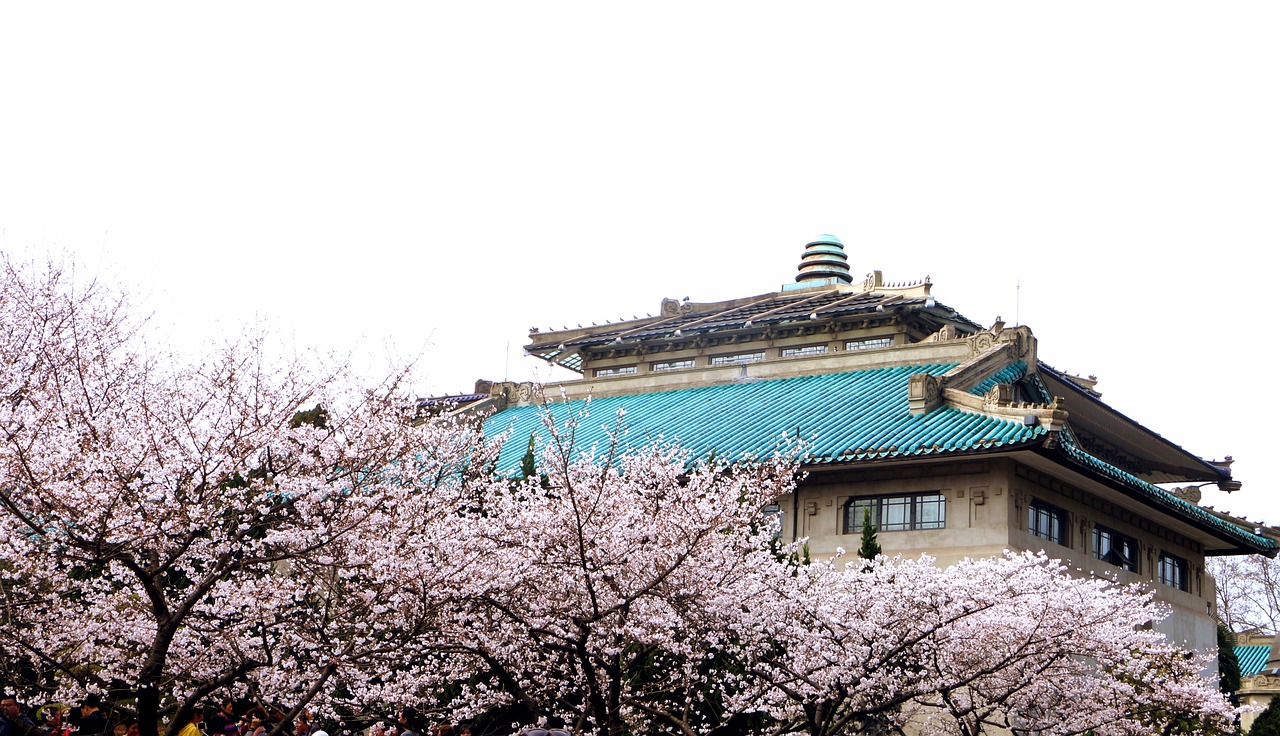
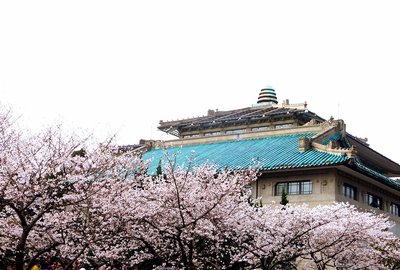
When we think of China's global influence, we usually think of ports, railways, and pipelines. But there is another dimension of Beijing's outreach that is quieter and potentially more consequential: the export of its educational model. Across Africa, Southeast Asia, and Latin America, Chinese universities and vocational schools are opening campuses, offering scholarships, and training a new generation of elites.
The scale is impressive. Thousands of African students study in China each year, many on Chinese government scholarships. Confucius Institutes, despite controversy in the West, continue to operate in dozens of countries. Chinese technical and vocational training programs are helping to build the skilled labor force that Beijing's infrastructure projects require. These initiatives are not charity. They are investments in influence.
The appeal of Chinese education lies partly in its pragmatism. For many students from developing countries, a degree from a Chinese university offers a pathway to careers in engineering, technology, and business. China's rise is itself a powerful advertisement for its model. If Beijing can lift hundreds of millions out of poverty, the reasoning goes, perhaps its methods are worth studying.
The Limits of Soft Power
Yet China's educational outreach faces significant obstacles. Language remains a barrier, and the quality of Chinese universities varies widely. Academic freedom is constrained, and foreign students sometimes complain about political indoctrination. In countries with strong democratic traditions, Chinese educational initiatives are viewed with suspicion. The closure of Confucius Institutes at several Western universities is a sign that soft power can provoke a backlash.
Moreover, China is not the only player in this field. The United States, the United Kingdom, Australia, and Japan all compete for international students. Western universities still dominate global rankings and attract the brightest minds. China's advantage lies not in prestige but in accessibility. It offers scholarships, simplified visa procedures, and a welcoming stance toward students from countries that Western institutions often overlook.
Geopolitical Consequences
The long-term effects of China's educational diplomacy are difficult to measure, but they are likely to be significant. Students who study in China return home with new networks, new skills, and often new sympathies. They may go on to occupy positions in government, business, and academia. Over time, this could translate into greater Chinese influence in international organizations, trade negotiations, and diplomatic forums.
For the West, the lesson is not to panic but to compete. Soft power is not a zero-sum game, but it does require investment. If Western countries want to maintain their influence, they must remain open to international students, fund exchange programs, and engage with the Global South on its own terms. The battle for hearts and minds is not fought with weapons but with opportunities. China understands this. The question is whether others do as well.
-
The Gulf's Diplomatic Offensive: From Regional Rivalry to Global Broker
Oct 4, 2026Global Diplomacy

-
Beyond the Belt and Road: China's Digital Silk Road and the New Infrastructure Race
Sep 20, 2026Eastern Hemisphere Relations

-

-

-
The Gulf's Diplomatic Offensive: From Regional Rivalry to Global Broker
Sep 1, 2026Regional Security

-
The Arctic Frontier: Russia, China, and the Contest for the Northern Sea Route
Oct 4, 2026Defense Policy

-
Japan's Quiet Military Transformation: Rearmament, Alliances, and the Ghost of Article 9
Sep 22, 2026Soft Power

-
The New Silk Road of Ideas: How China's Universities Are Reshaping Global Education
Sep 25, 2026Resource Politics

-
The Water Wars That Never Happened: Cooperation and Conflict in the Mekong Basin
Sep 5, 2026Global Economy

East Wind Post

The Mekong River sustains millions, but instead of water wars, the region has seen a complex mix of competition and cooperation.