






The Gulf's Diplomatic Offensive: From Regional Rivalry to Global Broker
Global Diplomacy | September 22, 2026
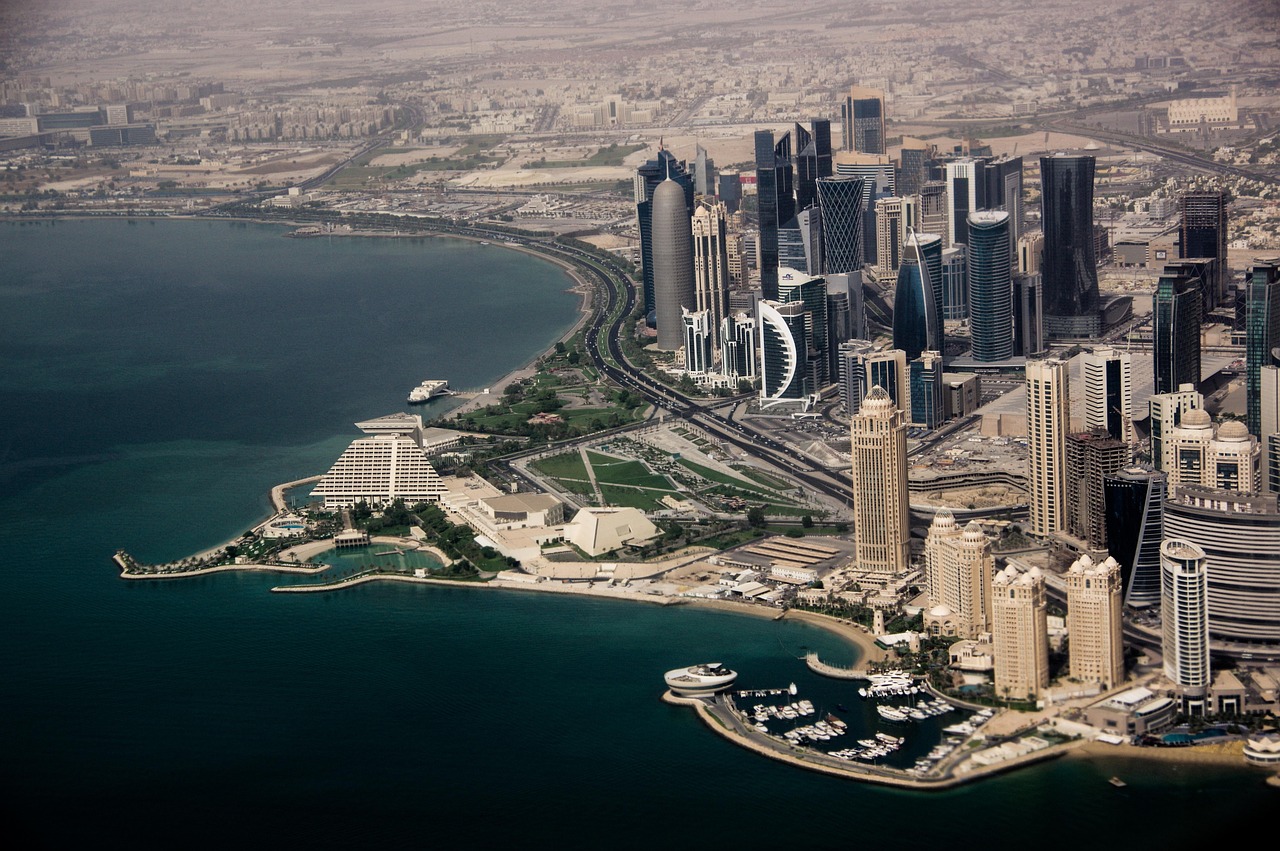
Not long ago, the Gulf states were primarily known as energy exporters and consumers of security guarantees from outside powers. Today, they are among the most active diplomats in the world. Saudi Arabia, the United Arab Emirates, and Qatar have mediated conflicts, hosted summits, funded reconstruction, and inserted themselves into conversations from Ukraine to the Horn of Africa to Southeast Asia. The shift is not cosmetic; it reflects a deliberate strategy to convert wealth into influence and to reduce dependence on any single external protector.
The drivers are both external and internal. External: the United States has signaled a reduced appetite for open-ended commitments in the region, while China has become a major buyer of Gulf energy and a growing investor. Internal: Gulf leaders are preparing for a post-oil future and understand that influence, like wealth, must be diversified.
Mediation as Statecraft
Qatar's role in mediating between Israel and Hamas, and its earlier facilitation of talks with the Taliban, has demonstrated that small states can punch above their weight when they are trusted by multiple parties. Saudi Arabia has hosted talks on Ukraine and has worked to manage tensions with Iran. The UAE has positioned itself as a logistics and financial hub that can convene actors who would not otherwise meet.
This mediation is not altruistic. It builds relationships, generates intelligence, and creates leverage. It also enhances the Gulf states' standing as responsible international actors, which in turn attracts investment and partnerships. In a world where trust is scarce, being a reliable channel is a valuable asset.
Economic Diversification and Strategic Autonomy
The Gulf's diplomatic offensive is inseparable from its economic transformation. Saudi Vision 2030, the UAE's diversification drive, and Qatar's investments in sports, media, and technology are all part of a broader effort to build economies that do not depend solely on hydrocarbons. Sovereign wealth funds are being deployed not just for returns but for strategic positioning.
At the same time, the Gulf states are expanding their security relationships. They buy arms from the United States, Europe, and increasingly from other suppliers. They conduct joint exercises with multiple partners. They are also exploring cooperation with China in areas such as surveillance technology and renewable energy. The goal is not to replace one patron with another but to have options.
Limits and Risks
This strategy has limits. Mediation can fail, and failure can damage credibility. Economic transformation is slower and harder than the brochures suggest. Regional rivalries, though eased, have not disappeared. And the Gulf states remain vulnerable to shifts in global energy markets and to the perception that their influence is purchased rather than earned.
Still, the direction of travel is clear. The Gulf is no longer content to be a region that others manage. It wants to be a region that manages. For the Eastern Hemisphere and for global diplomacy more broadly, that is a significant change. The East Wind Post will continue to examine how this new Gulf assertiveness reshapes alliances, conflicts, and the rules of international engagement.
-

-
The Water Wars That Never Happened: Cooperation and Conflict in the Mekong Basin
Sep 4, 2026Eastern Hemisphere Relations

-
The Diplomacy of Debt: How China's Lending Is Reshaping Global Governance
Sep 1, 2026Regional Analysis

-
The Quiet Rise of Middle Powers: How Secondary States Are Reshaping Global Diplomacy
Sep 21, 2026Resources and Geopolitics

-
Beyond the Belt and Road: China's Digital Silk Road and the New Infrastructure Race
Sep 20, 2026Regional Security

-

-

-
The Gulf's Diplomatic Offensive: From Regional Rivalry to Global Broker
Sep 8, 2026Resource Politics

-
The Arctic Frontier: Russia, China, and the Contest for the Northern Sea Route
Aug 29, 2026Global Economy

East Wind Post

As ice recedes, the Northern Sea Route is emerging as a strategic flashpoint where Russian sovereignty, Chinese investment, and NATO vigilance collide.