





Energy, Water, and the Politics of Scarcity in Central Asia
Resources and Geopolitics | September 25, 2026
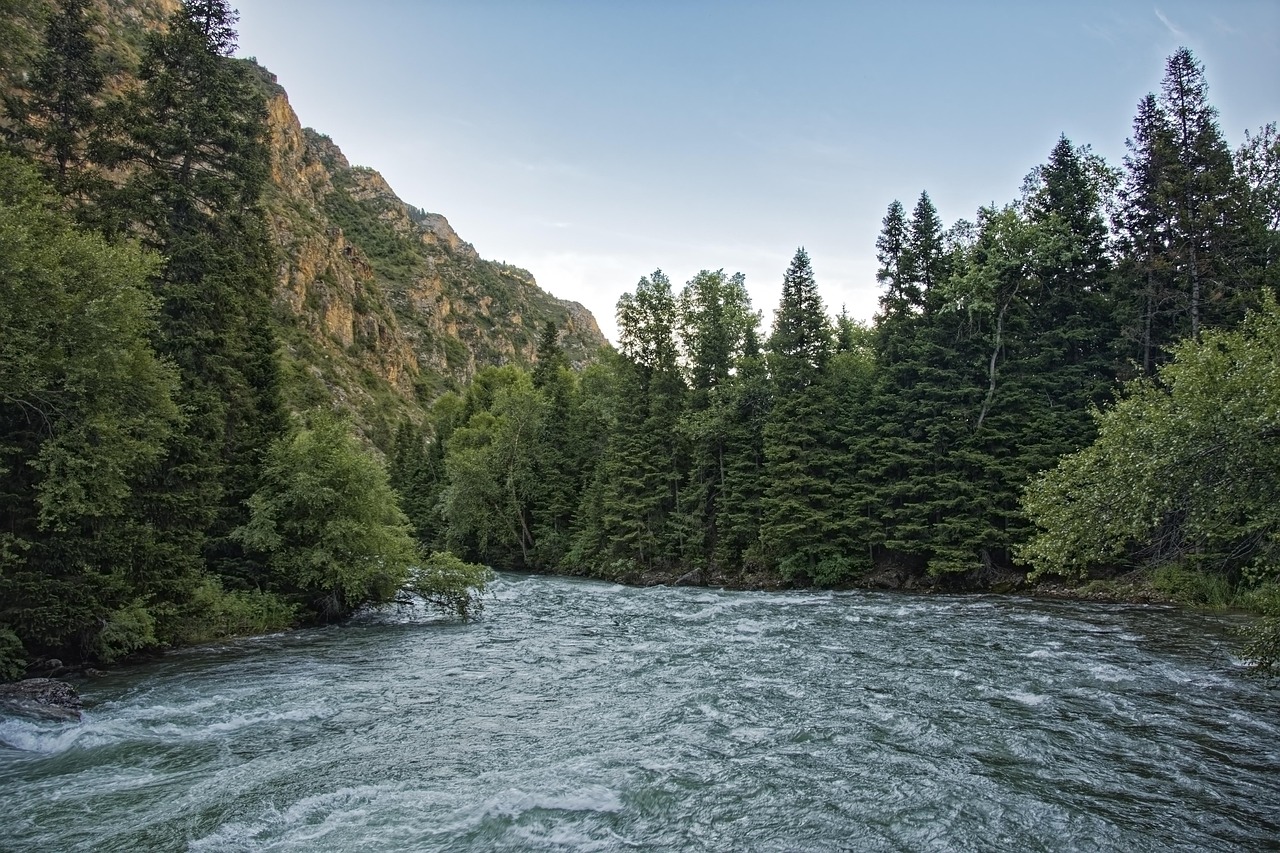
Central Asia rarely dominates global headlines, but it deserves more attention than it gets. The region sits at the intersection of several trends that will define the coming decades: energy transition, water scarcity, great-power competition, and the fragile politics of post-Soviet statehood. How its five republics — Kazakhstan, Uzbekistan, Kyrgyzstan, Tajikistan, and Turkmenistan — manage their shared resources will have consequences far beyond their borders.
The core problem is geographic and historical. Upstream countries, mainly Kyrgyzstan and Tajikistan, control much of the water that flows down the Syr Darya and Amu Darya rivers. Downstream countries, especially Uzbekistan, Turkmenistan, and Kazakhstan, depend on that water for agriculture and industry. In the Soviet era, a centralized system of quotas and energy swaps kept the balance. Since independence, that system has frayed.
The Water-Energy Nexus
Upstream states want to build hydropower dams to generate electricity and earn revenue. Downstream states worry that dams will reduce flows during the growing season and disrupt agriculture. The result is a recurring cycle of tension, negotiation, and seasonal shortages. Climate change is making everything worse: glaciers that feed the region's rivers are shrinking, and droughts are becoming more frequent.
This is not just an environmental story. It is a security story. Water disputes can inflame border tensions, trigger migration, and create openings for external powers. Both China and Russia have interests in the region, and both have invested in energy and infrastructure. Western engagement has been more sporadic, focused on security cooperation and, more recently, on critical minerals.
Energy Transition Meets Hydrocarbon Dependence
Kazakhstan and Turkmenistan are major hydrocarbon exporters, and their economies remain heavily dependent on oil and gas revenues. The global energy transition poses an existential question: what happens when demand for their exports peaks and declines? Diversification is underway, but slowly. Renewables, petrochemicals, and transit corridors are all part of the conversation, but none yet replaces the old model.
Meanwhile, the region is becoming more important as a transit zone. Pipelines and rail routes connecting China, Europe, and South Asia run through Central Asia. The Middle Corridor, which links China and Europe via the Caspian Sea and the Caucasus, has gained attention as a way to bypass Russia. But its capacity is limited, and its economics remain challenging.
Uzbekistan's recent reforms have opened new possibilities for regional cooperation. Tashkent has pursued a more pragmatic foreign policy, improved relations with neighbors, and sought investment from multiple partners. This has created a window for progress on water and energy issues that did not exist a decade ago.
Diplomacy as the Only Way Forward
There is no technological fix that will make Central Asia's water and energy problems disappear. Dams, canals, and solar farms can help, but the fundamental challenge is political: how to share scarce resources among sovereign states with different interests and unequal power.
That requires patient diplomacy, credible institutions, and external partners who understand that stability in Central Asia is in everyone's interest. It also requires recognizing that the region is not merely a prize to be won but a set of societies with their own priorities. The East Wind Post will continue to follow how these dynamics evolve, because the politics of scarcity in Central Asia are a preview of challenges that will soon be global.
-
The Quiet Rise of Middle Powers: How Secondary States Are Reshaping Global Diplomacy
Sep 2, 2026Defense Policy

-
The New Silk Road of Ideas: How China's Universities Are Reshaping Global Education
Sep 27, 2026Soft Power

-
The Water Wars That Never Happened: Cooperation and Conflict in the Mekong Basin
Aug 29, 2026Resource Politics

-
The Diplomacy of Debt: How China's Lending Is Reshaping Global Governance
Aug 26, 2026Global Economy

-
The Quiet Rise of Middle Powers: How Secondary States Are Reshaping Global Diplomacy
Sep 11, 2026Global Diplomacy

-
Beyond the Belt and Road: China's Digital Silk Road and the New Infrastructure Race
Aug 30, 2026Eastern Hemisphere Relations

-

-

-
The Gulf's Diplomatic Offensive: From Regional Rivalry to Global Broker
Sep 9, 2026Regional Security

East Wind Post

Saudi Arabia, the UAE, and Qatar are converting energy wealth into diplomatic influence, positioning themselves as indispensable players in conflicts far beyond the Middle East.